Akademide Sendika Kurduk Şimdi de Sendikada Akademi Kuruyoruz
"Okul İçin Değil Yaşam İçin Öğrenin." Bu sloganla yola çıkmıştı Bilgi Üniversitesi. Yıllarca da bilgiyi üniversitenin dar koridorlarından çıkarıp hayatla buluşturmak için çabalayan çalışanlarıyla bir üniversiteden daha ötesi olmayı başarmıştı. Şimdi ise öğrendiklerimizin ve öğrettiklerimizin pratikle sınandığı bir süreçteyiz. Bilginin özgürlük, özgürlüğün örgütlenme olduğunu hep beraber öğreneceğimiz ve öğreteceğimiz bir süreçte.
Bilgi'nin kendisine şiar edindiği slogan belki de asıl şimdi anlam kazanacak: Hocası, asistanı, temizlikçisi... Bir üniversiteyi yaratanlar kim ise, onlar üretecek bilgiyi de. Sendikanın akademisi bilginin değerinin kâr hesaplarıyla ölçülmediği, herkesin düşündüğü, tartıştığı, ifade ettiği, yarattığı bir akademi olacak.
İlk ders 25 Mayıs Salı, saat 12:00'da. Tepemizde güneş, ayağımızın altında yemyeşil çimenler... Katılın tartışalım. Murat Belge, Murat Paker, Nazan Aksoy ve Erol Katırcıoğlu soracaklar: "Nasıl Bir Bilgi?" diye. Mutlaka cevabınız vardır sizin de. Katılın dönüştürelim.
İSTANBUL SENDİKALI BİLGİ ÜNİVERSİTESİ YAZ OKULU PROGRAMI
AÇIK HAVA DERSLERİ-I
Dersin Adı: "Nasıl Bir Bilgi?"
Dersin Kodu: Sendika 101
Dersin Tanımı: Nasıl Bir Bilgi? sorusundan, üniversite "aslında"
nedir, ne olmalıdır sorusuna uzanan tartışmaların yapılacağı bir ders.
Derse hesap makinesi, kâr/zarar cetveli, bilanço, performans ölçme
anketi, fizibilite raporu getirilmesi yasaktır. Bu derste
görülebilecek tek yasak da budur!
Katılımcılar: Murat Belge, Murat Paker, Nazan Aksoy, Erol Katırcıoğlu
Yer: Santral-Çimen Kampusü
Tarih: 25 Mayıs 2010
Saat: 12:00-14:00
Not: Bu dersler "açık ders" formatında yapılacaktır. Herkesin
katılımına açıktır, ücretsizdir, kayıt gerekmemektedir, sınav yoktur!
Thursday, May 20, 2010


Tuesday, May 18, 2010
Bianet: Türkiye'nin Nükleer Güç Olma Hevesi
Nükleer ve konvansiyonel silah kapasitesini arttırma niyetinin ve herkesin daha fazla silahlanma hakkını savunabilmenin adı barış siyaseti değil, caydırıcılık siyasetidir. Bu sefer ikiden fazla kutbu olan yeni bir soğuk savaşın taraflarından biri olarak mı barış ülkesi olacaksınız?
Friday, May 07, 2010
Democratise, democratise...
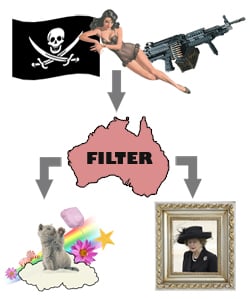
After the UK elections I renewed my interest in establishing an NGO dedicated to democratise these poor anti-democratic countries that are so deeply undemocratic that they even have the illusion of democracy. Think of the fraudulent US elections as a result of which George W. Bush was elected by Fox News Channel and some republicans from Florida. Think of the Great Australian Firewall, protested by most Australians themselves (even Australians over 15 are now unable to access websites that sell downloadable or physical copies of video games as well as those that host web-based games).
Emancipate, emancipate...
A sister NGO could be one to emancipate women in most modern/ised societies (particularly but not restricted to the 'West'), working on projects such as emancipating women from their physical-image-obsessed way of life (opposing "practices against nature" such as the use of surgery, chemicals, laser technology or extreme levels of make up usage on the body and the face in order to feel acceptable to or confident among others). For starters, the image itself can be ridiculed, the zero-size teenage image in the US, as well as the Japanese manga characters with huge eyes and breasts (which is a racial impossibility for Japanese girls). A possible side project could be: emancipating the American blond from the constant trashing and bashing of the 'culture industry.'
In the Netherlands we even have emancipatory political parties for farm animals, but emancipation of women from painful technologies of epilation and plastic surgery is somehow forgotten... I was simply happy to see a woman with a head-scarf that didn't mind her facial hair: She was with her kids and friends, looked absolutely ok with her appearance, and I don't know how you define emancipation, but mine certainly includes feeling fine with your looks! (although I must admit that it is a much less image obsessed society than many others... the first two days I was visiting New York, I thought I spilt coffee on myself, every one was soooo constantly checking everyone out. Worse still, in Turkey, the upper middle class obsession with looks does not allow women to have a single white hair -no wonder many prefer to wear headscarves! And you know who judge most, on these matters? Women judge one another!)

Emancipate, emancipate...
A sister NGO could be one to emancipate women in most modern/ised societies (particularly but not restricted to the 'West'), working on projects such as emancipating women from their physical-image-obsessed way of life (opposing "practices against nature" such as the use of surgery, chemicals, laser technology or extreme levels of make up usage on the body and the face in order to feel acceptable to or confident among others). For starters, the image itself can be ridiculed, the zero-size teenage image in the US, as well as the Japanese manga characters with huge eyes and breasts (which is a racial impossibility for Japanese girls). A possible side project could be: emancipating the American blond from the constant trashing and bashing of the 'culture industry.'
In the Netherlands we even have emancipatory political parties for farm animals, but emancipation of women from painful technologies of epilation and plastic surgery is somehow forgotten... I was simply happy to see a woman with a head-scarf that didn't mind her facial hair: She was with her kids and friends, looked absolutely ok with her appearance, and I don't know how you define emancipation, but mine certainly includes feeling fine with your looks! (although I must admit that it is a much less image obsessed society than many others... the first two days I was visiting New York, I thought I spilt coffee on myself, every one was soooo constantly checking everyone out. Worse still, in Turkey, the upper middle class obsession with looks does not allow women to have a single white hair -no wonder many prefer to wear headscarves! And you know who judge most, on these matters? Women judge one another!)
Wednesday, May 05, 2010

Wednesday, April 28, 2010
Sunday, April 25, 2010

Friday, April 23, 2010
Elton John's letter to Ryan White, 20 years after his death from AIDS
Sunday, April 25, 2010; washingtonpost.com
Dear Ryan,
Twenty years ago this month, you died of AIDS. I would gladly give my fame and fortune if only I could have one more conversation with you, the friend who changed my life as well as the lives of millions living with HIV. Instead, I have written you this letter.
I remember so well when we first met. A young boy with a terrible disease, you were the epitome of grace. You never blamed anyone for the illness that ravaged your body or the torment and stigma you endured.
When students, parents and teachers in your community shunned you, threatened you and expelled you from school, you responded not with words of hate but with understanding beyond your years. You said they were simply afraid of what they did not know.
When the media heralded you as an "innocent victim" because you had contracted AIDS through a blood transfusion, you rejected that label and stood in solidarity with thousands of HIV-positive women and men. You reminded America that all victims of AIDS are innocent.
When you became a celebrity, you embraced the opportunity to educate the nation about the AIDS epidemic, even though your only wish was to live an ordinary life.
Ryan, I wish you could know how much the world has changed since 1990, and how much you changed it.
Young boys and girls with HIV attend school and take medicine that allows them to lead normal lives. Children in America are seldom born with the virus, and they no longer contract it through transfusions. The insults and injustices you suffered are not tolerated by society.
Most important, Ryan, you inspired awareness, which helped lead to lifesaving treatments. In 1990, four months after you died, Congress passed the Ryan White Care Act, which now provides more than $2 billion each year for AIDS medicine and treatment for half a million Americans. Today, countless people with HIV live long, productive lives.
It breaks my heart that you are not one of them. You were 18 when you died, and you would be 38 this year, if only the current treatments existed when you were sick. I think about this every day, because America needs your message of compassion as never before.
Ryan, when you were alive, your story sparked a national conversation about AIDS. But despite all the progress in the past 20 years, the dialogue has waned. I know you would be trying to revive it if you were here today, when the epidemic continues to strike nearly every demographic group, with more than 50,000 new infections in the United States each year. I know you would be loudly calling for the National HIV/AIDS Strategy that was promised by President Obama but has not yet been delivered. I know you would reach out to young people. I know you would work tirelessly to help everyone suffering from HIV, including those who live on the margins of society.
It would sadden you that today, in certain parts of the United States, some poor people with AIDS are still placed on waiting lists to receive treatment. It would anger you that your government is still not doing enough to help vulnerable people with HIV and populations that are at high risk of contracting the virus, including sexually active teenagers. It would upset you that AIDS is a leading cause of death among African Americans.
It would frustrate you that even though hundreds of thousands of HIV-positive Americans are receiving treatment in your name, more than 200,000 don't know their HIV-positive status, largely because of a lingering stigma surrounding the disease that prevents them from being tested. It would disappoint you that many teenagers do not have access to science-based HIV-prevention programs in school, at a time when half of new infections are believed to be among people under 25.
I miss you so very much, Ryan. I was by your side when you died at Riley Hospital. You've been with me every day since. You inspired me to change my life and carry on your work. Because of you, I'm still in the struggle against AIDS, 20 years later. I pledge to not rest until we achieve the compassion for which you so bravely and beautifully fought.
Your friend,
Elton
Sir Elton John, a Grammy- and Academy Award-winning artist, is the founder and chairman of the Elton John AIDS Foundation.
Tuesday, March 30, 2010

Sunday, March 28, 2010
list of cultural events I participated recently...
It's been a while since I reported on what fills my life (except for "The Book")... In the last few weeks, I made some discoveries... Let me start with the movies first...

1) I watched Pandora’s Box (Pandora'nin Kutusu), by Yeşim Ustaoğlu (right).
Awards:
San Sebastian International Film Festival, 2008: Golden Shell Best Film and Silver Shell Best Actress - Tsilla Chelton
Fajr International Film Festival, 2009 Christal Simorgh - Special Jury Prize, Best Performances; Tsilla Chelton, Derya Alabora, Övül Avkiran
11th Cinemanila International Film Festival, Best Actress: Tsilla Chelton
3rd Yeşilçam Awards, Best Supporting Actress: Derya Alabora

I liked it a lot: as it has been told to me, it was simple, straightforward, well-done. Although I disagree with Ustaoglu's depiction of Istanbul as hell on earth, I understand the necessity of such a depiction for the plot. It's not far from truth either, only, lacking in basics. Also, the ending is a little too stereotypical (nativity symbolism with the old woman vanishing to her mountain) -but in Turkish cinema this is not such a used and abused theme as elsewhere, so it didn't disappoint me too much. At any rate I admire her dramaturgy and symbolism immensely.
Absolutely recommended for Turkish and non-Turkish audiences.
Here is the trailer...
2) I watched Pains of Autumn (Guz Sancisi) by Tomris Giritlioğlu (right).
Plot Summary:
 Although I did not find the plot or the acting impressive, I felt that all in all it is a good thing that a Turkish director made a movie on the pogrom. Finally... The love and drama-drenched story-line was an absolute turn off. The politics and even the economics of the situation was totally dismissed. Most importantly, what this meant for either of the communities was not included in the movie. Some historical details (such as the media hype about the bombing of Atatürk's house in Thessaloníki) were left unexplained for the international audience.
Recommended only for Turkish and Greek audiences interested in the pogrom.
Here is the trailer...
3) I watched Soul Kitchen by Fatih Akin (right).
Awards:
Venice Film Festival 2009: Special Jury prize Best Director
Venice Film Festival 2009: Young Cinema award Best film
Plot Summary: It's fun, it is well-done, and it is not an ambitious movie.
I enjoyed the funky mix of old Turkish comedies and the very German setting. I loved it that the Greek-German protagonist suffers throughout the movie from the most immediate problems of modernity: 1) not being able to get by simply by being creative and hard-working 2) back-aches. I liked the jokes and all in all, I enjoyed myself. Was it a "good" movie? It certainly did not aim at greatness, but I had fun. that should count! Especially in the midst of a terrible back-ache and a writer's block...
Recommended as a feel-good movie.
Here is the trailer...

1) I watched Pandora’s Box (Pandora'nin Kutusu), by Yeşim Ustaoğlu (right).
Awards:
San Sebastian International Film Festival, 2008: Golden Shell Best Film and Silver Shell Best Actress - Tsilla Chelton
Fajr International Film Festival, 2009 Christal Simorgh - Special Jury Prize, Best Performances; Tsilla Chelton, Derya Alabora, Övül Avkiran
11th Cinemanila International Film Festival, Best Actress: Tsilla Chelton
3rd Yeşilçam Awards, Best Supporting Actress: Derya Alabora
She describes her film as “a story of alienation and isolation. It is a story of individuals whose lives have been shaped by a sterile, middle-class morality, a story that many people touched by the inevitable combination of capitalism and modernity can identify with. It is a kind of human landscape, both universal and singular at the same time…”Plot Summary:
Three siblings living their different metropolitan lives have to go and find their mother who got lost in a Black Sea village. They bring her back, with her Alzheimer's disease, and find it difficult to adapt to her difficulties in an urban landscape. Only her grandson, who shares the difficulties find an intimacy with her; the rest start realizing that there have been problems in their lives that they've been postponing to solve.

I liked it a lot: as it has been told to me, it was simple, straightforward, well-done. Although I disagree with Ustaoglu's depiction of Istanbul as hell on earth, I understand the necessity of such a depiction for the plot. It's not far from truth either, only, lacking in basics. Also, the ending is a little too stereotypical (nativity symbolism with the old woman vanishing to her mountain) -but in Turkish cinema this is not such a used and abused theme as elsewhere, so it didn't disappoint me too much. At any rate I admire her dramaturgy and symbolism immensely.
Absolutely recommended for Turkish and non-Turkish audiences.
Here is the trailer...
2)
 I watched Pains of Autumn (Guz Sancisi) by Tomris Giritlioğlu (right).
Plot Summary:
The promising student Behcet finds himself involved in a nationalistic movement while falling madly in love with a Greek prostitute.Historic backdrop: Istanbul, September 6, 1955
In the midst of a “Deep State” operation, singling out non-Muslims as the enemy, the uncontainable love between Elena and Behçet is struggling to defend itself. As Behçet walks the political line drawn by the pen of a militant columnist, every step he takes towards the morning of the 6th of September takes him farther away from his love. Elena, on the other hand, tries to break through the walls of a dead-end destiny drawn up by her grandmother.
The Istanbul Pogrom (a form of riot directed against a particular group), also known as Istanbul Riots or Constantinople Pogrom; was a pogrom directed primarily at Istanbul's Greek minority on 6–7 September 1955. A Turkish mob, most of which was trucked into the city in advance, assaulted Istanbul’s Greek community for nine hours. Although the mob did not explicitly call for Greeks to be killed, over a dozen people died during or after the pogrom as a result of beatings and arson. Jews and Armenians were also targeted. The pogrom was triggered by Greece's appeal in 1954 to the United Nations to demand self-determination for Cyprus.
Although I did not find the plot or the acting impressive, I felt that all in all it is a good thing that a Turkish director made a movie on the pogrom. Finally... The love and drama-drenched story-line was an absolute turn off. The politics and even the economics of the situation was totally dismissed. Most importantly, what this meant for either of the communities was not included in the movie. Some historical details (such as the media hype about the bombing of Atatürk's house in Thessaloníki) were left unexplained for the international audience.Recommended only for Turkish and Greek audiences interested in the pogrom.
Here is the trailer...
3) I watched Soul Kitchen by Fatih Akin (right).

Awards:
Venice Film Festival 2009: Special Jury prize Best Director
Venice Film Festival 2009: Young Cinema award Best film
Plot Summary:
Zinos, a young restaurant-owner, is left by his long-term girlfriend Nadine. Zinos spends more time in the restaurant than with her, and she has just been offered a job in Shanghai.
Zinos, a young restaurant-owner, is facing the closure of his restaurant Soul Kitchen because of tax debts. On top of that his long-term girlfriend Nadine is leaving him for a job in Shanghai. In a desperate attempt to save his restaurant and make money to follow Nadine, he hires a new chef, the chef however refuses to serve the usual bratwurst and fish fingers for the his lower class costumers and devises his own menu.
In the three weeks before the closure of the Soul Kitchen pure anarchy breaks out: the chef cooks haute cuisine dishes, a new DJ gets the guests dancing after their meals, artists exhibit their work - and the guests like it. Rumours of the new cult hit Soul Kitchen spread fast around Hamburg. Still the closure hangs above his head and when he finds out the building is going to be torn down to make way for a shopping mall, he moves heaven and earth to get his Soul Kitchen back.
Soul Kitchen is about family and friends, about love, trust and loyalty and about the struggle to protect a place called home in an increasingly unpredictable world.
 It's fun, it is well-done, and it is not an ambitious movie.
I enjoyed the funky mix of old Turkish comedies and the very German setting. I loved it that the Greek-German protagonist suffers throughout the movie from the most immediate problems of modernity: 1) not being able to get by simply by being creative and hard-working 2) back-aches. I liked the jokes and all in all, I enjoyed myself. Was it a "good" movie? It certainly did not aim at greatness, but I had fun. that should count! Especially in the midst of a terrible back-ache and a writer's block...
Recommended as a feel-good movie.
Here is the trailer...
Monday, March 15, 2010

Friday, March 12, 2010
Nükleer saldırı
Özgür Gürbüz / 12 Mart 2010
Türkiye'ye yönelik nükleer saldırı planı ortaya çıktı. Güneyden Ruslar, kuzeyden Koreliler taarruza geçtiler. Arkalarında destek aldıkları, çok bilinmeyenli nükleer anlaşmalarla geliyorlar. Memleket, 1986 yılında meydana gelen tarihin en büyük endüstriyel kazası Çernobil'den sonra bir kez daha radyasyon kuşatması altında.
Nükleer kuşatmayla beraber başlatılan, nükleer santrallere karşı duranlara yönelik karalama kampanyaları da, AKP hükümetinin artık klasikleşmiş "cadı avı" manevralarından bir olarak karşımıza çıktı. İç politikada işlerin iyi gitmediği şu günlerde, nükleer kozunu oynayarak oy toplamak isteyen hükümet, olayın iç yüzünü pek anlamayan halkın popülaritesini kazanmak ve yeni ticari rantlar peşinde koşuyor. Yandaş medya, bir yerden işaret almış gibi, başta Greenpeace (Yeşilbarış) olmak üzere nükleer karşıtlarına yönelik iftira kampanyaları düzenliyor. Yandaş medya dışında kalan basın-yayım organları da sindirilmiş durumda. Medyanın büyük bir bölümü, nükleer enerjinin ne gerçek maliyetini yansıtan rakamlara, ne de sık sık rastlanan kaza ve sızıntılara yıllardır yer vermiyor. Geçen Şubat ayında Kanada Nükleer Güvenlik Dairesi (CNSC) tarafından açıklanan, 217 nükleer santral çalışanının nükleer radyasyona maruz kaldığı haberini1 kaçımız duydu acaba? Kasım 2009 ayında, Bruce Nükleer Santrali'nin yenileme çalışmaları sırasında 217 işçinin alfa ışınlarına maruz kaldığını Şubat 2010'da açıklayan CNCS, olayla ilgili inceleme başlatırken, nükleer santrali işleten firma ise klasik bir açklama yaparak radyasyona maruz kalan işçilerin sınır değerlerin üzerinde doz almadıklarını söylemekle yetindi. CNCS Kanada'nın tarihindeki en büyük kitlesel radyasyona maruz kalma olayını araştırmaya devam ediyor. Ne kadarı örtbas edilecek göreceğiz. Tek bir gerçek var, o da santrallerin hala kaza ve sızıntı riski taşıdığı ve bu her ay birer ikişer ortaya çıkan kaza haberlerinin öncü depremler gibi büyük bir felakete işaret ettiği.
Turizm nükleer tehdit altında
Kanada'da olan biteni, Türkiye'de yaşayan bizlerin dünyadaki nükleer gelişmelerden nasıl habersiz bırakıldığını anlatmak için yazmadık. İşin başka bir boyutu daha var. Bugün Akkuyu ve Sinop'ta yapılması planlanan nükleer reaktörler hakkında yazılıp çizilenlere bir bakın. Kimse, güvenlik tedbirlerinden, denetlemenin hangi "bağımsız" kuruluş tarafından yapılacağından, atıkların ne olacağından, fay hattındaki Türkiye'de kurulacak reaktörlerin olası bir depremde, nasıl yönetileceğinden, terör tehlikesine karşı nasıl korunacağından, Akdeniz ve Karadeniz'de turizmin ne kadar zarar göreceğinden bahsetmiyor.
Bilgilendirme adeta tek parti dönemi gibi, bakanlığın verdiği mesjlardan ibaret. Enerji Bakanı Taner Yıldız'ın yaptığı açıklamalar, reaktörler şu kadar güçte olacak, şu kadar elektrik üretecekle ve bununla birlikte teknik değeri sıfır olan onlarca yanlış ve yanıltıcı bilgilerle dolu. Taner Yıldız, nükleer reaktörler kurulunca doğalgaza bağımlılığın azalacağını söylüyor. Eğer Sayın Bakan, kurulan reaktörlerden üretilen elektrikle evlerin ısıtılmasını planlıyorsa vay halimize! Isı enerjisinden elektrik üretip onu yeniden ısı enerjisine çevirmenin ne kadar verimsiz olduğunu, 58 nükleer reaktörü olan ve nükleer endüstriye her yıl milyarlarca dolarlık destek veren Fransızlar bile biliyor. 2007-2008 yıları arasında Fransa'da harcanan doğalgaz miktarı 45 milyar metreküp, Türkiye'de ise 35.2 Üstelik Fransa doğalgazın neredeyse yarısını ticarethane ve konutlarda yani ısınma amaçlı kullanıyor. Bizde bu oran yüzde 22 civarında.3 Bu açıklama, 2010 yılına gelmemize rağmen enerji verimliliğinden hiçbir şey anlamadığımızın bir göstergesi olarak da kabul edilebilir. Eğer Yıldız, nükleer reaktörler kurulduğunda mevcut elektrik talebimizin yarısına yakınını karşılayan doğalgaz santrallerini kapatmayı planlıyorsa, ki birçoğunun al ya da öde anlaşması var, kendisinden kapatılacak santrallerin adlarını ve hangi yıllarda bunu gerçekleştireceğini tek tek açıklamasını rica ediyorum. Hem özel sektör başına gelecekleri bilsin hem de bizler doğalgazdan kurtulma planının laftan ibaret olmadığını görelim. Uzun dönemli gaz alım anlaşmalarına imza atan BOTAŞ da, Nabuko'dan ülkeye gaz sağlamaya uğraşanlar da rahat bir nefes alır. Kaldı ki, tüm nükleer rönesans masallarına rağmen, Batı'da nükleer rekatörlerinin hala kömür, rüzgar ve doğalgaza yenik düşmesinin ardında " yüksek maliyet" diye adlandırılan bir gerçek var. Bu durumda hükümetinin çaktırmadan, "Size nükleer santral kuruyorum ama elektriğe de ciddi bir zam yapıyorum" dediğini alamamız mı lazım? Çünkü nükleer serbest piyasa koşullarında hala doğalgaz ve kömürden çok daha pahalıya elektrik enerjisi üreten bir kaynak. Bunu ben söylemiyorum, Citi Grup söylüyor.
Citi Bank da nükleer ekonomik değil diyor
"Yeni Nükleer – Ekonomi Hayır Diyor" başlıklı ve 9 Kasım 2009 tarihli araştırmalarında Citi Grup uzmanları, İngiltere'nin uzun yıllar sonra yeni santraller kurulmasına ilişkin aldığı kararın önündeki 5 ana risk alanına dikkat çekiyor. Planlama, inşaat, elektrik satış fiyatı, santralin işletimi ve nükleer atık sorunuyla miyadı dolan santralin söküm işlemleri, yatırımcının çözmesi gereken beş riskli nokta. Türiye'de bizzat Enerji Bakanı tarafından yapılan açıklamalarda veya sözkonusu yatırım için Kore ve Rusya ile işbirliği içerisindeki yerli şirketlerin demeçlerinde, bu sorunları nasıl çözeceklerine dair en ufak bir ipucu yok. Citi raporuna göre, nükleer reaktörün yapım maliyeti kurulu kilovat güç başına 2500 ile 3500 avro arasında değişiyor. Bu durumda, Sinop'a kurulması düşünülen 5600 MW'lık santralin bedeli ortalama 17 milyar avro oluyor. Raporda, bir nükleer reaktörün zarar etmemesi için üretilen elektriğin kilovatsaatinin piyasada en az 6,5 avro sentten satılması gerektiğine vurgu yapılmış. Türkiye'de bu rakama ve altnda üretim yapabilecek onlarca rüzgar ve jeotermal santrali kurulabilirken nükleerde ısrar neden? Yakıt teknolojisini elinde tutan 5 ülkeye bağımlı olmak için mi?
Finlandiya'da olduğu gibi, santralin inşasında olası bir gecikme bu fiyatı daha yukarılara çıkarabilir. 1600 MW'lık son teknoloji Olkiluoto reaktörü, dünyanın nükleer enerji konusunda bir numarası kabul edilen Fransız Avea tarafından 3 milyar avroya yapılacak ve 2009'un Mayıs ayında elektrik üretmeye başlayacaktı. 2004'te inşasına başlanan reaktör hala bitirlemedi. Şu anda reaktörün tahmin edilen maliyeti 5,6 milyar avro. Yapılan denetimler, inşa sırasında onlarca hata buldu ve bu hataların firma tarafından düzeltilmesi istendi. Yaklaşık 3 milyar avroyu bulan maliyeti üstlenmeyecek olan Finlandiyalı firma TVO ile AVEA tahkimlik oldular. Bütün Avrupa'nın konuştuğu bu olaylar yine Türkiye'de gazete sayfalarına ve televizyon haberlerine yansımadı. Citi'nin raporunda olası gecikmelerde maliyetin kim tarafından yüklenileceği soruluyor. Biz de soralım, inşaatı kim deneteyecek, olası maliyet artışları elektrik zamlarıyla bizim cebimizden mi yoksa firmadan mı çıkacak? Denetimi, Çernobil faciasında çayları gömerek ve yakarak önlem aldığını düşünen, ülkeye giriş ve çıkışı sorumluluğu altında olan radyoaktif izotopları İkitelli'deki hurdalıklardan toplayan TAEK mi yapacak? Hayatlarında batı standartlarında denetim görmemiş, ülkelerinde inşa ettikleri reaktörleri yine devlet kuruluşlarınca denetlenmiş(!) Kore ve Rus firmalarının, işi doğru yapıp yapmadığını santralde sızıntı olunca mı öğreneceğiz? Başından beri Korelilerin nükleer işi almalarını isteyen ve bu konuda birçok gezi ve toplantı düzenleyen TASAM adlı kuruluşun, "Güney Kore Nükleer Teknoloji İnceleme Gezisi" adlı yayınından bir alıntı yapalım. Kore'nin nükleer teknolojisini incelemek için düzenlediği teknik bir geziye katılan iki uzman arasındaki konuşmayı yorum yapmadan aktarıyorum:
"...Önder Bey uzun yıllar Uluslararası Atom Enerjisi Kuruluşu, IAEA'de çalışmıştı. Dünya'nın çeşitli yerlerinde güvenlik denetimlerine gitmiş. Hazır aklıma gelmişken sorayım dedim: 'Ya, Önder Bey; bu Koreliler reaktörlerini artık A'dan Z'ye kendileri yapıyor, %100'e varan verimle işletiyorlar. Güç arttırımlarına, ömür uzatmalarına filan gidilmiş. Koreliler sanki bu işi Japonya'dan bile daha iyi götürüyorlar. Çünkü orada ikide birde kazalar, sızıntılar filan oluyor. Hatta ölümler de oldu: Bu nasıl iş?'
Bir an durup düşündükten sonra, 'Japonlar daha açık bir toplum' dedi; 'bu konuda daha hassaslar, Hiroşima ve Nagazaki nedeniyle. Koreliler bazı şeyleri daha iyi gizliyor...' Hmmm, vay canına. Öyle ya; kadının ayağına basıp da kaçtıktan sonra, gittiği yerde hatasını anlatacak değildi tabii4
Hükümet,bazı bilim insanları tarafından verilen, "1-2 cente elektrik üretiriz" beyanlarına kanıp girdiği bu yolda, "ucuz nükleer" diye bir şey olmadığını görünce başka çözüm yolları aramaya başladı. En sonunda kendini soru şaretleriyle dolu Rus ve Kore teknolojisinin kucağına attı. Sadece çevresel ve ekonomik riskler tehdit altında değil. Kapalı kapılar ardında yapılan anlaşmalar, Türkiye'de oluşturulmaya çalışılan elektrik sektöründeki serbest piyasayı da derinden sarsıyor. Bir taraftan lisans başvurusunu iki yıl önce yapmış, teminat yatırmış rüzgarcıları bekleteceksin, güneş enerjisi yatırımcılarını bir köşeye iteceksin. Öte yandan, nükleer yatırımcılara 250 bin yıl radyoaktif kalacak atığı nereye koyacaksın diye sormayacak, araziyi bedava verecek, söküm işleri için sadece cüzi bir miktar almakla yetineceksin. Bakanlık, serbest piyasada nükleerin rakipleri karşısında çaresiz kalacağını bildiği için, santral yatırımında devletçi politika izliyor. Öte yandan termik santrallerin özeliştirmesine hazırlanıyor. Bu ne perhiz, bu ne lahana turşusu? AKP hükümeti, girdiği bu çıkmazdan, temiz enerjilerin önünü açacak yeni bir enerji plitikasıyla çıkarsa kimse hükümeti eleştirmez, tersine oy bile kazanabilir. Bu yolda gitmeye devam ederse, ekonomik ya da ekolojik bir kaza kaçınılmaz görünüyor. Aynı otobüsün yolcusu olmasak hiç umrumda olmazdı ama biz de bu otobüste yolcuyuz.
1The Glob and Mail, http://www.theglobeandmail.com/news/national/nuclear-incident-exposes-217-workers-at-bruce-power/article1469970/, 12 Mart 2010.
2Eurogas, Natural Gas Consumption report, 12 Mart 2009.
3Eurogas, Statsitical data of 2008.
4 Vural Altın, "Stratejik Rapor No:18", Güney Kore Nükleer Teknoloji İnceleme Gezisi, İstanbul, TASAM, 2007, s. 25.
Thursday, March 11, 2010

Tuesday, March 09, 2010
after 12 long years of struggle,
Indian upper house approves women's quota bill
bbc, 9 march 2010The upper house of India's parliament has approved a bill to reserve a third of all seats in the national parliament and state legislatures for women.
The bill was passed with 186 members of the 245-seat house voting in favour. Only one member voted against. Several smaller parties boycotted the vote.
The bill's introduction on Monday led to uproar from opponents, resulting in the suspension of seven MPs on Tuesday.
First proposed in 1996, the bill now has support from India's main parties.
...
The bill's passage through the upper house was marked by scenes of chaos after it was tabled on Monday.
Opposition Bharatiya Janata Party (BJP) leader Arun Jaitley, speaking in parliament on Tuesday, said the uproar was "one of the most shameful moments in India's parliamentary democracy".
Earlier, seven MPs had been forcibly removed from the upper house by security guards, after they refused to leave having been suspended for disorderly behaviour.
The MPs had shouted slogans, snatched papers from Vice President Hamid Ansari's table, torn them and thrown them at him.
read the rest of the analysis...
Sunday, February 28, 2010
Başbakanlık Nerede Biter, Diktatörlük Nerede Başlar
 28 Şubat 2010
Koray Doğan Urbarlı, Yesil Gazete
Gerçekten mükemmel bir ülke burası… Her şeyiyle. Bir önceki yazımda biraz değinmeye çalıştığım gibi, her tartışma programında aynı kavramlar var. Demokrasi! Özgürlük! Eşitlik! Birlik! Kardeşlik! Herkes birbirini daha az demokrat olmakla suçluyor. Gören duyan itiyor sanacak. Daha iyiye, daha iyiye… “Haydi, bak, x partisi %40 kadın kotası getirmiş, biz daha iyisini yapmalıyız %50 getirmeliyiz!” “Y partisi seçim barajını %4’e indirmeyi teklif edecekmiş, biz önce davranalım %3 ve her ilde de önseçim zorunluluğu teklif edelim!”
Bu tip konuşmalar duyuyor olmamız gerekiyor. O kadar çok demokrasiden, özgürlükten bahsediliyor ki; düşünce aleminin tüm büyük babaları burada parti yönetiyor ya da danışman sanki.
Ama değil. Ne yazık ki değil. Antitez’den ufak bir örnek verip, teze geçelim ama orada kalalım çünkü sentez çok fena. Sentez ortada… CHP, İzmir’de yarın (artık bugün olmuş) il kongresini toplayacak. Aslında kongre toplandı bitti. Deniz Baykal, kafasında kongreyi topladı. Herkesin olur dediği, ilçe kongrelerini adıyla geçiren adaya çekil sen dedi. Uzun süre bir aday aradı ve gençleştirmeye gittiği (ironi değil, partinin açıkladığı hedeftir bu) bir ilde 80’ine yakın bir kişiye “ol” dedi. Yarın da delegeler olduracak. Çekilen adaya da herhalde bir 5. sıra milletvekili adaylığı falan verirler, ya da vermişlerdir. Müthiş demokrat kent İzmir’de, büyük sosyal demokrat partinin hali bu. Bu antitez. 2011’de başbakan olacağını düşünen, bunun planlarını kuran kişinin yaptığı ettiği. Zaten başlıktaki başbakan, kişiyi değil, bir makamı işaret ediyor.
Gelelim teze… Bir süre önce, Tayyip Erdoğan, “Şu gazeteciler biraz daha az yazsalar, ülkenin sorunları azalır” anlamına gelen bir cümle söyledi. Daha sonra, Tekel İşçileri ile ilgili her konu açıldığında, bunu medyanın büyüttüğünü, medyanın gündemde tuttuğunu söyledi. Yazmayın dedi. Erdoğan, bütün köşe yazarları mı yazmasın dedi, yoksa Fehmi Koru modeli gibi bir Fehmi Koru, Bir Taha Kıvanç olup yazarlarsa bir sorun olmaz mı demek istedi, yoksa benim sevmediğim yazarlar yazmasın yoksa bazı gazeteler var onlar günde iki kere çıksın mı demek istedi bilmiyorum. Yoksa, başbakan’ın örneğin Mehmet Barlas’ın yazmasına nasıl bir itirazı olabilir ki? (Barlas çok yanlı yazıyor demek istemedim, yanağını okşatmıştı ya ondan…)
Yazarların, günler pek azalmamış olacak ki, birkaç gün önce başbakan yeni bir açıklama yaptı ve bu sefer yazarları değil, işverenlerini muhatap aldı. “Şu yazarlara da yazdırmayın bakın! Yazdırıyorsunuz, borsa düşüyor, muhalefet oluyor. Borsa düşüyor. Bunlara yazı yazdırıp yazdırıp, sonra bizim kapımıza geldiğinizde de ağlamayın.” Anlamına gelen cümleler söyledi. Açık açık olmasa da gayet açık şekilde, bize muhalefet edeni, hükümetin yaptıklarını eleştireni barındırmayın dedi. Bu, “hükümetin yaptığı her şey ülke için iyidir, hükümeti eleştirmek ülkenin iyiliğini istememektir” anlayışıdır ve hükümetin de tek bir kişiye mutlak bağlı olduğunu düşünürsek (sosyal demokrat partinin halini üstte yazdım. Bunlar da muhafazakâr.) bu anlayış ancak ve ancak otoriter bir yönetimde geçerli olur. O yüzden, böyle laf edilebilir mi Türkiye’de? Ediliyor ama edilemezmiş gibi konuşulup ediliyor. Her şeyin en iyisini bilen insanlar, demokrasinin onların bildiğinden daha iyisini söyleyemeyeceğini düşünerek, demokrasiye evet diyorlar. “Özgürlük mü istiyorsunuz? Tabii ki. Nasıl olsa, benim söylediğimden daha iyisini söyleyemeyeceksiniz. Zaten, size özgürlük veren birini eleştirecek kadar da özgürlük düşmanı olamazsınız!”
Şimdi, bir yere kadar tabii ki kızabilir başbakanlar, bakanlar, muhtarlar… Gerçekten hükümet karşıtlığını bodoslama yapan gazeteler yok mu? Var! Var da, tam tersi de var. Hükümet gak dese bir bölüm gazete “RTE yine gakladı diye yayın yaparken, bir bölüm de, “tarihin en muhteşem gaklaması Birinci Recep Tayyip Sultan Han’dan geldi” diye haber yapıyor. İkisi de iğrenç. Peki, neden bir tanesine kızalım biz? Neden eleştirinin bağnazına bu kadar tepki verirken, yanında olmanın bu kadar samimiyetsizine “yürü ya kulum” deniyor?
Türkiye’nin yönetim anlayışı kaymıştır artık. Gücü elinde bulunduranın kendi diktatörlüğünü ilan ettiği bir garip mikro ve makro diktatörlükler takımadası oldu Türkiye. Herkes, bulunduğu alanda en ufak bir muhalefet tutmamayı, orayı temizlemek olarak görüyor. Temizlemek kelimesi kullanılıyor zaten. Pisliklerden arındırmak. Bu bazen o kadar feci sonuçlar doğuruyor ki, başbakan köşe “yazarları yazmasın” diyebiliyor, ulaştırma bakanı “demiryollarını kapatalım” diyebiliyor. Mutlaklar çünkü. Hiç gitmeyecekler oralardan. Böyle düşünüyorlar. Ben ülkeyim diyor başbakan. Beni eleştirmek ülkeye hakaret, ihanet. Ben partiyim diyor parti başkanı, benim aday ol demediğim adam aday olamaz hiçbir yere. L’etat c’est moi (Devlet benim!) demiş kral. Ama bakın, 14. Louis, o kral. Siz ise kral değilsiniz. Ama kral gibi davranıyorsunuz. Laflara bakarsan da liberte egalite fraternite (özgürlük, eşitlik, kardeşlik)…
Thursday, February 25, 2010
Wednesday, February 24, 2010
If you think voting CDA, think again!
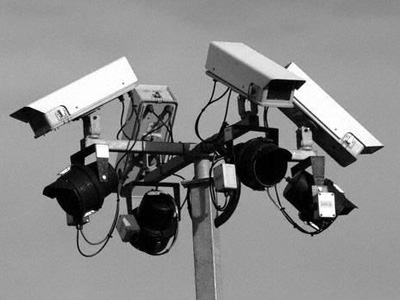
Here is an article, from among many, that shows how the CCTV (what the CDA is suggesting for Amsterdam in their local election campaign) constructs a certain way of understanding and restricting criminality: from top down -as opposed to the crimes that are at the high levels of politics that go unnoticed. We cannot let this happen in Amsterdam. It is a kind of suicide for the soul of the citizenry...
Monday, February 22, 2010
YEŞİL EV’DE KÜRTÇE DİL ATÖLYESİ
Yeşil Ev’de Kürtçe dil atölyesi Mart ayında başlıyor. İstanbul Kürt Enstitüsü’nün (Enstituya Kurdi Ya Stenbole) katkılarıyla düzenlenen Kürtçe dil atölyesinin ilk kuru 3 ay sürecek ve haftada iki gün, dört saat olarak yapılacak. İstanbul Kürt Enstitüsü hocaları tarafından gönüllü olarak yapılacak atölyeye kayıtlar devam ediyor.
Tarih: 5 Mart – 28 Mayıs
Gün: Pazartesi ve Cuma günleri
Saat: 19:00-21:00
Katılımcıların %80 devam zorunluluğu vardır.
Kayıt için son gün 28 Şubat 2010
Bir kur (3 ay) için kayıt 275 TL (tam), 200 TL (öğrenci) bağış karşılığında yapılacaktır. (Kitaplar İstanbul Kürt Enstitüsü tarafından verilecektir.)
Kayıt ve sorularınız için iletişim: 212-244 77 80
beyogluyesilev@gmail.com
Adres: Yeşil Ev, İstiklal caddesi Balo sokak 21/1 Beyoğlu - İstanbul
Tarih: 5 Mart – 28 Mayıs
Gün: Pazartesi ve Cuma günleri
Saat: 19:00-21:00
Katılımcıların %80 devam zorunluluğu vardır.
Kayıt için son gün 28 Şubat 2010
Bir kur (3 ay) için kayıt 275 TL (tam), 200 TL (öğrenci) bağış karşılığında yapılacaktır. (Kitaplar İstanbul Kürt Enstitüsü tarafından verilecektir.)
Kayıt ve sorularınız için iletişim: 212-244 77 80
beyogluyesilev@gmail.com
Adres: Yeşil Ev, İstiklal caddesi Balo sokak 21/1 Beyoğlu - İstanbul
Thursday, February 18, 2010
the winter olympics
took me back to my childhood, when aesthetics, romance, passion, ambition, perfection, it all came together in a five minute performance. When everything stopped and watched... this still moves me...
Deep Green: Real Sustainability
Cultural habits - like people - go through stages when they face death. Dr. Elizabeth Kübler-Ross described this process as the 'five stages of grief' - denial, anger, bargaining and depression, before the final acceptance of reality. In human society, growth economics will eventually collapse in the face of ecological reality. We have witnessed decades of denial and anger about this end of growth, and society now appears to be entering the bargaining stage.
This bargaining appears in thousands of new corporate marketing strategies that promote 'sustainability'. They've changed the ink in the printing presses, rolled out green and blue designs, replaced lightning bolts with fern leaves and stamped images of the Earth on plastic containers. We now have 'sustainable detergent', 'sustainable events', 'sustainable development', 'sustainable profits', 'sustainable fashions' and even 'sustainable countertops' for the kitchen makeovers of discerning consumers.
The bargaining goes like this. If we call ourselves 'green' and 'sustainable', can we keep selling stuff? Like a drug addict, the patient has not yet changed the habits that are killing it. All these sustainable marketing campaigns are designed to sell more products to more people. Meanwhile, every day, we lose more forests, exterminate species, erode soil, drain aquifers and pump more carbon dioxide into the atmosphere. Eventually, we'll notice that labelling something 'sustainable' doesn't make it so. That day will signal the 'depression' stage.
The foolish king
The bargaining strategy, 'sustainable growth', gained popularity with the 1987 Brundtland Report (Our Common Future), from the United Nations World Commission on Environment and Development. The report recognised that human activity had caused serious ecological degradation, and sought ways to reconcile economic growth, particularly for poorer countries, with environmental health. Rich countries, meanwhile, sought ways to allow global corporations to continue plundering the Earth for its riches.
The Brundtland Report envisioned 'a new era of economic growth … that is forceful and at the same time socially and environmentally sustainable'. This idea represents a noble vision that most people would support - a growing human economy that relieves poverty while sustaining the Earth's resources. However, in nature, all physical growth eventually stops. There are no exceptions.
To understand why this is so, we must understand what real sustainability means in a biological habitat. For a species to maintain a pattern of energy and material exchange with its environment over a long period of time, it must achieve what biologists call homeostasis or dynamic equilibrium, whereby its consumption remains below the energy input into the system.
We must also understand the nature of exponential growth. "The greatest shortcoming of the human race," says physicist Dr. Albert Bartlett at the University of Colorado, "is our inability to understand the exponential function." Since human population and consumption have been growing for thousands of years we might assume that we can continue to grow for thousands more, but this is not how exponential growth works. This complex-sounding bit of arithmetic is actually quite simple.
Any material growth (a fixed or variable percentage increase every year) eventually yields a huge number over time. You may have heard the story of the legendary king who agrees to pay a clever inventor with one grain of rice on the first square of a chess board, two grains on the second square, then four on the third, eight on the fourth and so on. All such growth has a doubling time, represented by the 64 squares of the chess board. By the time the foolish king reaches square number 30, he needs a billion grains of rice. By square 40, he needs a trillion grains and the kingdom is bankrupt. This is the power of exponential growth.
Wednesday, February 17, 2010
First study of mummy DNA leads to all sorts of discoveries

By Maggie Koerth-Baker February 16, 2010
King Tut—plus 10 other royal mummies—recently became the first ancient Egyptians to get their DNA analyzed. The results, published this week in the Journal of the American Medical Association, turned up a treasure trove of new information about the famous boy king, his family and Egyptian royalty in general. Among the discoveries:
- Tut had a bone disorder that would have forced him to walk with a cane, and which may have been a result of royal inbreeding.
- A mummy known as KV55 has turned out to be Tut's father, Akhenaten, a controversial pharaoh best known for his failed attempt at converting Egypt to monotheism. Based on sculptures and art that depict a feminized Akhenaten, researchers had long suspected that he suffered from a genetic hormone disorder called gynecomastia. But the DNA evidence says otherwise. Instead, Akhenaten's feminine features are likely to have been an artistic conceit, added for symbolic, religious reasons.
- Other previously unidentified mummies are now known to be Tut's grandfather, grandmother and mother.
- Contrary to speculation, Tut's mother probably wasn't his father's chief wife, Nefertiti. She and Akhenaten are never described as being related, and Tut is definitely the product of brother/sister incest.
- King Tut had malaria. He likely died from a combination of that disease and complications of his bone disorder. The malarial DNA found in Tut's body is the oldest genetic evidence of the disease ever found.
Top 10 Cannabis Studies the (US) Government Wished it Had Never Funded
from www.breakthematrix.com
10) MARIJUANA USE HAS NO EFFECT ON MORTALITY:A massive study of California HMO members funded by the National Institute on Drug Abuse (NIDA) found marijuana use caused no significant increase in mortality. Tobacco use was associated with increased risk of death. Sidney, S et al. Marijuana Use and Mortality. American Journal of Public Health. Vol. 87 No. 4, April 1997. p. 585-590. Sept. 2002.
9) HEAVY MARIJUANA USE AS A YOUNG ADULT WON'T RUIN YOUR LIFE:
Veterans Affairs scientists looked at whether heavy marijuana use as a young adult caused long-term problems later, studying identical twins in which one twin had been a heavy marijuana user for a year or longer but had stopped at least one month before the study, while the second twin had used marijuana no more than five times ever. Marijuana use had no significant impact on physical or mental health care utilization, health-related quality of life, or current socio-demographic characteristics. Eisen SE et al. Does Marijuana Use Have Residual Adverse Effects on Self-Reported Health Measures, Socio-Demographics or Quality of Life? A Monozygotic Co-Twin Control Study in Men. Addiction. Vol. 97 No. 9. p.1083-1086. Sept.
1997
8) THE "GATEWAY EFFECT" MAY BE A MIRAGE:
Marijuana is often called a "gateway drug" by supporters of prohibition, who point to statistical "associations" indicating that persons who use marijuana are more likely to eventually try hard drugs than those who never use marijuana - implying that marijuana use somehow causes hard drug use. But a model developed by RAND Corp. researcher Andrew Morral demonstrates that these associations can be explained "without requiring a gateway effect." More likely, this federally funded study suggests, some people simply have an underlying propensity to try drugs, and start with what's most readily available. Morral AR, McCaffrey D and Paddock S. Reassessing the Marijuana Gateway Effect. Addiction. December 2002. p. 1493-1504.
7) PROHIBITION DOESN'T WORK (PART I):
The White House had the National Research Council examine the data being gathered about drug use and the effects of U.S. drug policies. NRC concluded, "the nation possesses little information about the effectiveness of current drug policy, especially of drug law enforcement." And what data exist show "little apparent relationship between severity of sanctions prescribed for drug use and prevalence or frequency of use." In other words, there is no proof that prohibition - the cornerstone of U.S. drug policy for a century - reduces drug use. National Research Council. Informing America's Policy on Illegal Drugs: What We Don't Know Keeps Hurting Us. National Academy Press, 2001. p. 193.
6) PROHIBITION DOESN'T WORK (PART II):
DOES PROHIBITION CAUSE THE "GATEWAY EFFECT"?): U.S. and Dutch researchers, supported in part by NIDA, compared marijuana users in San Francisco, where non-medical use remains illegal, to Amsterdam, where adults may possess and purchase small amounts of marijuana from regulated businesses. Looking at such parameters as frequency and quantity of use and age at onset of use, they found no differences except one: Lifetime use of hard drugs was significantly lower in Amsterdam, with its "tolerant" marijuana policies. For example, lifetime crack cocaine use was 4.5 times higher in San Francisco than Amsterdam. Reinarman, C, Cohen, PDA, and Kaal, HL. The Limited Relevance of Drug Policy: Cannabis in Amsterdam and San Francisco. American Journal of Public Health. Vol. 94, No. 5. May 2004. p. 836-842.
5) OOPS, MARIJUANA MAY PREVENT CANCER (PART I):
Federal researchers implanted several types of cancer, including leukemia and lung cancers, in mice, then treated them with cannabinoids (unique, active components found in marijuana). THC and other cannabinoids shrank tumors and increased the mice's lifespans. Munson, AE et al. Antineoplastic Activity of Cannabinoids. Journal of the National Cancer Institute. Sept. 1975. p. 597-602.
4) OOPS, MARIJUANA MAY PREVENT CANCER, (PART II):
In a 1994 study the government tried to suppress, federal researchers gave mice and rats massive doses of THC, looking for cancers or other signs of toxicity. The rodents given THC lived longer and had fewer cancers, "in a dose-dependent manner" (i.e. the more THC they got, the fewer tumors). NTP Technical Report On The Toxicology And Carcinogenesis Studies Of 1-Trans- Delta-9-Tetrahydrocannabinol, CAS No. 1972-08-3, In F344/N Rats And B6C3F Mice, Gavage Studies. See also, "Medical Marijuana: Unpublished Federal Study Found THC-Treated Rats Lived Longer, Had Less Cancer," AIDS Treatment News no. 263, Jan. 17, 1997.
3) OOPS, MARIJUANA MAY PREVENT CANCER (PART III):
Researchers at the Kaiser-Permanente HMO, funded by NIDA, followed 65,000 patients for nearly a decade, comparing cancer rates among non-smokers, tobacco smokers, and marijuana smokers. Tobacco smokers had massively higher rates of lung cancer and other cancers. Marijuana smokers who didn't also use tobacco had no increase in risk of tobacco-related cancers or of cancer risk overall. In fact their rates of lung and most other cancers were slightly lower than non-smokers, though the difference did not reach statistical significance. Sidney, S. et al. Marijuana Use and Cancer Incidence (California, United States). Cancer Causes and Control. Vol. 8. Sept. 1997, p. 722-728.
2) OOPS, MARIJUANA MAY PREVENT CANCER (PART IV):
Donald Tashkin, a UCLA researcher whose work is funded by NIDA, did a case-control study comparing 1,200 patients with lung, head and neck cancers to a matched group with no cancer. Even the heaviest marijuana smokers had no increased risk of cancer, and had somewhat lower cancer risk than non-smokers (tobacco smokers had a 20-fold increased lung cancer risk). Tashkin D. Marijuana Use and Lung Cancer: Results of a Case-Control Study. American Thoracic Society International Conference. May 23, 2006.
1) MARIJUANA DOES HAVE MEDICAL VALUE:
In response to passage of California's medical marijuana law, the White House had the Institute of Medicine (IOM) review the data on marijuana's medical benefits and risks. The IOM concluded, "Nausea, appetite loss, pain and anxiety are all afflictions of wasting, and all can be mitigated by marijuana." While noting potential risks of smoking, the report added, "we acknowledge that there is no clear alternative for people suffering from chronic conditions that might be relieved by smoking marijuana, such as pain or AIDS wasting." The government's refusal to acknowledge this finding caused co-author John A. Benson to tell the New York Times that the government "loves to ignore our report … they would rather it never happened." Joy, JE, Watson, SJ, and Benson, JA. Marijuana and Medicine: Assessing the Science Base. National Academy Press. 1999. p. 159. See also, Harris, G. FDA Dismisses Medical Benefit From Marijuana. New York Times. Apr.
21, 2006
Tuesday, February 16, 2010
I'm reading...
How to Read Lacan (click to read online)
by
Slavoj Zizek
It is easy, enjoyable, a little too repetitive of his other work, but a great intro to Lacan's main concepts through an exercise of "reading with Lacan"...
Here's a beautiful quote from Janet Malcolm (1994: 172) -also quoted in the book...
The preservation of the unsent letter is its arresting feature. Neither the writing nor the sending is remarkable (we often make drafts of letters and discard them), but the gesture of keeping the message when we have no intention of sending it. By saving the letter, we are in some sense 'sending' it after all. We are not relinquishing our idea or dismissing it as foolish or unworthy (as we do when we tear up a letter); on the contrary, we are giving it an extra vote of confidence. We are, in effect, saying that our idea is too precious to be entrusted to the gaze of the actual addressee, who may not grasp its worth, so we 'send' it to his equivalent in fantasy, on whom we can absolutely count for an understanding and appreciative reading.
Top 10 Cities for Economists...
According to The Economist, the top 10 liveable cities of the world are as follows...
 Now, I've never been a fan of The Economist, its often over-simplified social analysis and over-emphasised economic/financial news trying to frame the world as a market place. No, I actually don't read it very often -unless there is nothing else to read, I totally skip it. And as you see (and if you are like me you will immediately see) this is what happens if you treat the world as if it is a giant market place. No offense, I've nothing against any of these cities, I actually haven't visited ANY of them. I don't think I will anytime soon either, for I wouldn't know why to visit them. Especially in winter, but also in summer. Ok with the exception of Vienna... Although all my friends from Vienna complain about what a serious (if not frowny and self-absorbed) city it is. Ok, Let's try to guess what they based their results on (allow for exceptions):
1) how cold the temperatures are -both in winter AND in summer
2) how new the city is, and how little history it has...
3) whether it is speaking English (or otherwise a European language)
4) whether a large portion of the population is blond...
5) whether they host olympics every now and then
6) how far away it is from ancient civilisations
7) cattle population
That's it. We've got out top 10!
Of course, the econonomists intelligence unit suggest otherwise:
"Each city is assigned a score for over 30 qualitative and quantitative factors across five broad categories:
As for me it's important to have the sea close by, some sunshine and warmth, to have some access to a nice and deep forest, preferably working telephone and post services, a healer I can trust, good food being widely available, some political and intellectual freedom, some nice (preferably inclusive) music/dance/art, a moderate level of safety that is required for a girl, and a good number of friends. So far, I couldn't find a place that has all this plus a job offering. But hey, I'm still looking...
 Now, I've never been a fan of The Economist, its often over-simplified social analysis and over-emphasised economic/financial news trying to frame the world as a market place. No, I actually don't read it very often -unless there is nothing else to read, I totally skip it. And as you see (and if you are like me you will immediately see) this is what happens if you treat the world as if it is a giant market place. No offense, I've nothing against any of these cities, I actually haven't visited ANY of them. I don't think I will anytime soon either, for I wouldn't know why to visit them. Especially in winter, but also in summer. Ok with the exception of Vienna... Although all my friends from Vienna complain about what a serious (if not frowny and self-absorbed) city it is. Ok, Let's try to guess what they based their results on (allow for exceptions):
1) how cold the temperatures are -both in winter AND in summer
2) how new the city is, and how little history it has...
3) whether it is speaking English (or otherwise a European language)
4) whether a large portion of the population is blond...
5) whether they host olympics every now and then
6) how far away it is from ancient civilisations
7) cattle population
That's it. We've got out top 10!
Of course, the econonomists intelligence unit suggest otherwise:
"Each city is assigned a score for over 30 qualitative and quantitative factors across five broad categories:
- Stability
- Healthcare
- Culture and environment
- Education
- Infrastructure"
As for me it's important to have the sea close by, some sunshine and warmth, to have some access to a nice and deep forest, preferably working telephone and post services, a healer I can trust, good food being widely available, some political and intellectual freedom, some nice (preferably inclusive) music/dance/art, a moderate level of safety that is required for a girl, and a good number of friends. So far, I couldn't find a place that has all this plus a job offering. But hey, I'm still looking...
Thursday, February 11, 2010

Monday, February 08, 2010
Old news, new article...
2007'de Viyana'da 'Türk lokumu' adında bir heykel dikildi.
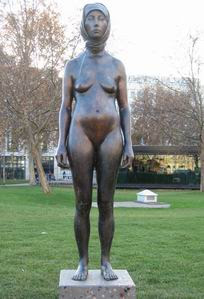 a controversial statue depicting a naked woman with headscarf, entitled Turkish Delight was exhibited in a public garden in front of the Kunsthalle Museum in Vienna in 2007 before it was wrenched from its pedestal and left lying on the ground...
Heykeltras/Sculptor: Olaf Metzel
Prof. Nilufer Gole'nin konuyla ilgili makalesi icin tiklayin.
Prof. Nilufer Gole's article on the subject.


Saturday, February 06, 2010
Yaşayan Kütüphane

Bizi önyargılarımızla yüzleştirmek amacıyla 2000 yılından beri çeşitli ülkelerde düzenlenen Yaşayan Kütüphane, bir kez daha İstanbul’da… Ev sahibi bu kez 9.cusu düzenlenen !f İstanbul Film Festivali!
 Alışık olduğumuz kütüphanelerden farklı olarak, Yaşayan Kütüphane’deki kitaplar insan; ve bu kitaplar okuyucularıyla kişisel bir diyalog içine giriyorlar. Kütüphane katalogundaki kitap başlıkları, çoğunlukla genellemelere ve önyargılı davranışlara maruz kalan ve zaman zaman da ayrımcılığa uğrayan grupları temsil ediyor.
Ne zaman?
13 Şubat Cumartesi
14 Şubat Pazar
16 Şubat Salı günleri, 15.00-19.00 arasında
Nerede?
!f İstanbul Festival Merkezi “The Hall” Küçük Bayram Sokak, Hüseyinağa, Beyoğlu
(İstiklal’den Yeşilçam Sokak’a girince ilk sağ… veya Ağa Camii’nin sokağından ilk sol)
Wednesday, February 03, 2010
Always Look on the Bright Side of Life (from Monty Python)
words and music by Eric Idle
Some things in life are bad
They can really make you mad
Other things just make you swear and curse.
When you're chewing on life's gristle
Don't grumble, give a whistle
And this'll help things turn out for the best...
And...always look on the bright side of life...
Always look on the light side of life...
If life seems jolly rotten
There's something you've forgotten
And that's to laugh and smile and dance and sing.
When you're feeling in the dumps
Don't be silly chumps
Just purse your lips and whistle - that's the thing.
And...always look on the bright side of life...
Always look on the light side of life...
For life is quite absurd
And death's the final word
You must always face the curtain with a bow.
Forget about your sin - give the audience a grin
Enjoy it - it's your last chance anyhow.
So always look on the bright side of death
Just before you draw your terminal breath
Life's a piece of shit
When you look at it
Life's a laugh and death's a joke, it's true.
You'll see it's all a show
Keep 'em laughing as you go
Just remember that the last laugh is on you.
And always look on the bright side of life...
Always look on the right side of life...
(Come on guys, cheer up!)
Always look on the bright side of life...
Always look on the bright side of life...
(Worse things happen at sea, you know.)
Always look on the bright side of life...
(I mean - what have you got to lose?)
(You know, you come from nothing - you're going back to nothing.
What have you lost? Nothing!)
Always look on the right side of life...
best sung at:
Some things in life are bad
They can really make you mad
Other things just make you swear and curse.
When you're chewing on life's gristle
Don't grumble, give a whistle
And this'll help things turn out for the best...
And...always look on the bright side of life...
Always look on the light side of life...
If life seems jolly rotten
There's something you've forgotten
And that's to laugh and smile and dance and sing.
When you're feeling in the dumps
Don't be silly chumps
Just purse your lips and whistle - that's the thing.
And...always look on the bright side of life...
Always look on the light side of life...
For life is quite absurd
And death's the final word
You must always face the curtain with a bow.
Forget about your sin - give the audience a grin
Enjoy it - it's your last chance anyhow.
So always look on the bright side of death
Just before you draw your terminal breath
Life's a piece of shit
When you look at it
Life's a laugh and death's a joke, it's true.
You'll see it's all a show
Keep 'em laughing as you go
Just remember that the last laugh is on you.
And always look on the bright side of life...
Always look on the right side of life...
(Come on guys, cheer up!)
Always look on the bright side of life...
Always look on the bright side of life...
(Worse things happen at sea, you know.)
Always look on the bright side of life...
(I mean - what have you got to lose?)
(You know, you come from nothing - you're going back to nothing.
What have you lost? Nothing!)
Always look on the right side of life...
best sung at:
Tuesday, January 26, 2010
GÜNÜN YAZISI
AKP’ye Muhalefet (2)
26 Ocak 2010, Yeşil Gazete
Ümit Şahin
AKP hükümetine muhalefet meselesinin neden başlı başına bir konu olduğunu son bir haftadır yaşanan olaylar biraz daha netleştirdi. Öyle ya, AKP Türkiye’nin gördüğü ilk sağcı hükümet değil. Yanlış politikalar yürüten, demokratik olmayan uygulamalara yönelen, halkın değil belli çevrelerin çıkarlarını kollayan ilk hükümet de değil. Öyleyse AKP’ye muhalefeti, benzer politikalar uygulayan önceki hükümetlere karşı yürütülen muhalefetten farklı kılan, daha doğrusu bunu bir tartışma konusu haline getiren bir şey, gerçekten var mı?
Evet,var.
İki nedenle:
1. AKP Türkiye’nin yakın tarihinde iktidarı boyunca sürekli askeri darbe tehdidi altında yaşamış tek hükümet. (Refah Partisi hariç. Ama zaten hem o tehdidin gerçeğe dönüşmesi kısa sürmüştü, hem de AKP, Refah çizgisinin bir varyasyonu olduğu için bu büyük bir istisna sayılmaz).
2. AKP’ye karşı 2002’den bu yana yürütülen sistematik (ve baştan aşağı yanlışlarla dolu) muhalefet bambaşka temellere oturuyor.
AKP, 2002 yılı sonlarında tek başına iktidar oldu. Son üç yıldır birbiri ardınca ortaya çıkan belgeler bir yapbozun parçalarını bir araya getirircesine ortaya koydu ki, askerler AKP’nin 7 yıllık iktidarı boyunca sadece sözlü müdahalelerde bulunup hükümete kısıtlı düzeylerde ayar yapmakla kalmamış, ‘kesin çözüm’ için sürekli yeni planlar hazırlamışlar. AKP’ye yönelik ilk darbe planının tarihi hükümetin kurulmasından hemen sonraya, yani 2002’nin Aralık ayına denk geliyor, üstelik 28 Şubat müdahalesini yapan aynı kurmaylar tarafından planlanıyor. Bu da Refah-AKP çizgisine karşı yıllarca süren bir ‘sürekli darbe’ stratejisinin varlığını ortaya koyuyor.
Neyse ki, şartlar, toplumun hazır hale getirilememesi,ordu içindeki fikir ayrılıkları ve muhtemelen ABD’nin planları onaylamaması sayesinde yeni bir 12 Eylül ihtimali sadece kağıt üzerinde kalmış. Bu dönemde darbe olmaması nedeniyle (ve belki de şartları olgunlaştırmak için) yapılan Danıştay saldırısı, Hrant Dink suikastı gibi olaylar topyekun bir darbenin yerini almış.
İşte bu durum AKP iktidarının özel durumuna (uzun yıllar sonra kurulan -ve üstelik İslamcı siyasetten gelen- ilk tek partili hükümet olması) bir özellik daha katıyor: AKP iktidarı kendini korumak için çok partili seçimlere dayanan rejime sahip çıktığını sürekli vurgulamak, bunun için harekete geçmek (Ergenekon soruşturması gibi) ve böylece demokrasinin temel şartlarını savunmak durumunda kalıyor. İlk yazımda da vurguladığım gibi böyle bir düşünsel temeli ve önceliği olmadığı, bunu diğer uygulamalarında ve Başbakan’ın muhaliflerine karşı üslubuyla da defalarca kanıtladığı halde…
Toplumdaki demokrat insanlar, yani darbelere ve her türlü askeri müdahaleye karşı olan, demokrasinin kurumsallaşmasını isteyen, temel hak ve özgürlükleri savunan kesimler de (sadece aydınları değil, toplumun geniş kesimlerini kastediyorum) AKP’nin bu hassasiyetine destek oluyor.
Bu da bizi yukarıdaki ikinci başlığa taşıyor: Geçen 7 yıl boyunca AKP’ye en sert muhalefetin öncülüğünü yürüten ve bu yolda temel demokratik hassasiyetleri bile önemsemeyen parti ve kesimler kimlerdi? Ve bu kesimler yürüttükleri bu muhalefeti hangi temellere dayandırmışlardı? Ve de belki en önemlisi, başarılı oldular mı?
Bu soruların yanıtlarını herkes biliyor. Büyük ölçüde CHP’nin ve ulusalcıların temsil ettiği bu ‘öncü muhalefet’ bütün ağırlık noktasını AKP’nin İslamcı kökenlerine dayandırmış, AKP’yi gayrı milli, irtica odağı ve cumhuriyet rejimine karşı olmakla suçlamışlardı. Bu görüşlerini rejimin bir numaralı koruyucusu Anayasa Mahkemesi de tescil etmişti.
Peki bu görüşler, doğru olsun ya da olmasın, işe yaramış mıdır? Askeri müdahale tehdidi ve böylesine topyekun (görünen) bir muhalefetin baskısı altındaki AKP hükümeti, iktidardayken girdiği ilk seçimleri kaybetmiş ya da oy kaybına mı uğramıştır? Elbette hayır. Herkesin bildiği gibi AKP tam tersine genel seçimlerde oylarını %47’ye çıkardı ve ilk yerel seçimlerde de oy kaybına uğramakla birlikte çoğunluğunu korudu.
AKP, kendisine yönelik bu akılsız, yanlış varsayımlarda ısrar eden ve üstelik demokrasiden de nasibini almamış muhalefet bloğu sayesinde bugün de dümenini döndürmeyi sürdürüyor. Yani AKP’ye karşı muhalefetin önündeki en büyük engel, işte bu ‘büyük’ muhalefetin ta kendisi. Sürekli AKP destekçiliğiyle suçlanan (ya da gerçekten destekleyen) farklı kesimler değil…
Çünkü bu talihsiz hegemonya, AKP’ye karşı tabanda, sokakta, sivil toplumda ve başka siyasi hareketlerin çevresinde yürütülen, gerçek anlamda politik içeriğe sahip muhalefetleri yıllarca görünmez kıldı. Üstelik aynı hegemonya bir kara delik gibi farklı siyasetleri kendi yörüngesine soktu ve etkisizleştirdi.
Normal şartlarda AKP’den çok da farklı politikaları savunmayan, en az AKP kadar özelleştirmeci, en az AKP kadar işçi düşmanı, en az AKP kadar milliyetçi, en az AKP kadar kalkınmacı, eline fırsat geçtiğinde doğanın ve gezegenin çanına en az AKP kadar ot tıkamaya hevesli bu ‘öncü muhalif’ kesimler, biz daha iyisini yaparız demek dışında bir şey diyemedikleri bu politikalara karşı hem utangaç hem de sahtekar bir muhalefet biçimiyle ön plana çıkamayacakları için, yaşam biçimi temelli bir rejim tartışmasıyla ayakta kalmaya çalıştılar geçen yedi yıl boyunca.
Bugün AKP’ye karşı gerçek bir muhalefeti yükseltmenin yolu, gündelik hesaplarla güya AKP’nin yakınına düşmemeye çalışıp darbe meraklısı askerlerin ve laik statükocuların hayatını kolaylaştırmak değil, muhalefeti gerçek anlamda ayakları üzerine oturtmak.
Bunun için de öncelikle darbeciliğe karşı alınan yolu önemsemek, aman AKP’ye yaramasın diye susup beklemek yerine ordunun kangrenleşmiş darbeci yapısını, antidemokratik muhalefet alışkanlıklarını ve gizli planlarla ülkeyi karıştırıp iktidarı ele geçirmeye çalışma anlayışını külliyen reddetmek, her gün bir yenisi ortaya çıkan gizli planları ‘kime yarıyor’, ‘neden şimdi’, ‘kim sızdırdı’, ‘nasıl yansıtıldı’ gibi yandan dolanan eleştirilerle küçümsemeden önemsemek ve bu temizlik sürecinin sonuna kadar gitmesini, bütün darbecilerin ve kontrgerilla odaklarının yargılanmasını savunmak olmalı.
Ancak darbecilerle, askerlerle ve milliyetçi-militarist-statükocu muhalefetle aramıza net bir çizgi çektikten sonra, onların söylemeye cesaret edemediği gerçek muhalif sözlerimiz işitilebilir ve toplumda etki yaratabilir. Zaten etik olan da, politik olan da, demokrasinin gereği de bu…
Tam da 2000’li yıllar boyunca muhalefet üzerinde hegemonya kuran bu ulusalcı kanadın dağılmaya başladığının ilk işaretlerini aldığımız bugünlerde, AKP’ye karşı yapılması gereken gerçek muhalefetin fitilini bir yanda TEKEL işçileri, bir yanda da doğalarını korumak için mücadele eden Karadenizliler ateşlemiş bulunuyorlar.
26 Ocak 2010, Yeşil Gazete
Ümit Şahin
AKP hükümetine muhalefet meselesinin neden başlı başına bir konu olduğunu son bir haftadır yaşanan olaylar biraz daha netleştirdi. Öyle ya, AKP Türkiye’nin gördüğü ilk sağcı hükümet değil. Yanlış politikalar yürüten, demokratik olmayan uygulamalara yönelen, halkın değil belli çevrelerin çıkarlarını kollayan ilk hükümet de değil. Öyleyse AKP’ye muhalefeti, benzer politikalar uygulayan önceki hükümetlere karşı yürütülen muhalefetten farklı kılan, daha doğrusu bunu bir tartışma konusu haline getiren bir şey, gerçekten var mı?
Evet,var.
İki nedenle:
1. AKP Türkiye’nin yakın tarihinde iktidarı boyunca sürekli askeri darbe tehdidi altında yaşamış tek hükümet. (Refah Partisi hariç. Ama zaten hem o tehdidin gerçeğe dönüşmesi kısa sürmüştü, hem de AKP, Refah çizgisinin bir varyasyonu olduğu için bu büyük bir istisna sayılmaz).
2. AKP’ye karşı 2002’den bu yana yürütülen sistematik (ve baştan aşağı yanlışlarla dolu) muhalefet bambaşka temellere oturuyor.
AKP, 2002 yılı sonlarında tek başına iktidar oldu. Son üç yıldır birbiri ardınca ortaya çıkan belgeler bir yapbozun parçalarını bir araya getirircesine ortaya koydu ki, askerler AKP’nin 7 yıllık iktidarı boyunca sadece sözlü müdahalelerde bulunup hükümete kısıtlı düzeylerde ayar yapmakla kalmamış, ‘kesin çözüm’ için sürekli yeni planlar hazırlamışlar. AKP’ye yönelik ilk darbe planının tarihi hükümetin kurulmasından hemen sonraya, yani 2002’nin Aralık ayına denk geliyor, üstelik 28 Şubat müdahalesini yapan aynı kurmaylar tarafından planlanıyor. Bu da Refah-AKP çizgisine karşı yıllarca süren bir ‘sürekli darbe’ stratejisinin varlığını ortaya koyuyor.
Neyse ki, şartlar, toplumun hazır hale getirilememesi,ordu içindeki fikir ayrılıkları ve muhtemelen ABD’nin planları onaylamaması sayesinde yeni bir 12 Eylül ihtimali sadece kağıt üzerinde kalmış. Bu dönemde darbe olmaması nedeniyle (ve belki de şartları olgunlaştırmak için) yapılan Danıştay saldırısı, Hrant Dink suikastı gibi olaylar topyekun bir darbenin yerini almış.
İşte bu durum AKP iktidarının özel durumuna (uzun yıllar sonra kurulan -ve üstelik İslamcı siyasetten gelen- ilk tek partili hükümet olması) bir özellik daha katıyor: AKP iktidarı kendini korumak için çok partili seçimlere dayanan rejime sahip çıktığını sürekli vurgulamak, bunun için harekete geçmek (Ergenekon soruşturması gibi) ve böylece demokrasinin temel şartlarını savunmak durumunda kalıyor. İlk yazımda da vurguladığım gibi böyle bir düşünsel temeli ve önceliği olmadığı, bunu diğer uygulamalarında ve Başbakan’ın muhaliflerine karşı üslubuyla da defalarca kanıtladığı halde…
Toplumdaki demokrat insanlar, yani darbelere ve her türlü askeri müdahaleye karşı olan, demokrasinin kurumsallaşmasını isteyen, temel hak ve özgürlükleri savunan kesimler de (sadece aydınları değil, toplumun geniş kesimlerini kastediyorum) AKP’nin bu hassasiyetine destek oluyor.
Bu da bizi yukarıdaki ikinci başlığa taşıyor: Geçen 7 yıl boyunca AKP’ye en sert muhalefetin öncülüğünü yürüten ve bu yolda temel demokratik hassasiyetleri bile önemsemeyen parti ve kesimler kimlerdi? Ve bu kesimler yürüttükleri bu muhalefeti hangi temellere dayandırmışlardı? Ve de belki en önemlisi, başarılı oldular mı?
Bu soruların yanıtlarını herkes biliyor. Büyük ölçüde CHP’nin ve ulusalcıların temsil ettiği bu ‘öncü muhalefet’ bütün ağırlık noktasını AKP’nin İslamcı kökenlerine dayandırmış, AKP’yi gayrı milli, irtica odağı ve cumhuriyet rejimine karşı olmakla suçlamışlardı. Bu görüşlerini rejimin bir numaralı koruyucusu Anayasa Mahkemesi de tescil etmişti.
Peki bu görüşler, doğru olsun ya da olmasın, işe yaramış mıdır? Askeri müdahale tehdidi ve böylesine topyekun (görünen) bir muhalefetin baskısı altındaki AKP hükümeti, iktidardayken girdiği ilk seçimleri kaybetmiş ya da oy kaybına mı uğramıştır? Elbette hayır. Herkesin bildiği gibi AKP tam tersine genel seçimlerde oylarını %47’ye çıkardı ve ilk yerel seçimlerde de oy kaybına uğramakla birlikte çoğunluğunu korudu.
AKP, kendisine yönelik bu akılsız, yanlış varsayımlarda ısrar eden ve üstelik demokrasiden de nasibini almamış muhalefet bloğu sayesinde bugün de dümenini döndürmeyi sürdürüyor. Yani AKP’ye karşı muhalefetin önündeki en büyük engel, işte bu ‘büyük’ muhalefetin ta kendisi. Sürekli AKP destekçiliğiyle suçlanan (ya da gerçekten destekleyen) farklı kesimler değil…
Çünkü bu talihsiz hegemonya, AKP’ye karşı tabanda, sokakta, sivil toplumda ve başka siyasi hareketlerin çevresinde yürütülen, gerçek anlamda politik içeriğe sahip muhalefetleri yıllarca görünmez kıldı. Üstelik aynı hegemonya bir kara delik gibi farklı siyasetleri kendi yörüngesine soktu ve etkisizleştirdi.
Normal şartlarda AKP’den çok da farklı politikaları savunmayan, en az AKP kadar özelleştirmeci, en az AKP kadar işçi düşmanı, en az AKP kadar milliyetçi, en az AKP kadar kalkınmacı, eline fırsat geçtiğinde doğanın ve gezegenin çanına en az AKP kadar ot tıkamaya hevesli bu ‘öncü muhalif’ kesimler, biz daha iyisini yaparız demek dışında bir şey diyemedikleri bu politikalara karşı hem utangaç hem de sahtekar bir muhalefet biçimiyle ön plana çıkamayacakları için, yaşam biçimi temelli bir rejim tartışmasıyla ayakta kalmaya çalıştılar geçen yedi yıl boyunca.
Bugün AKP’ye karşı gerçek bir muhalefeti yükseltmenin yolu, gündelik hesaplarla güya AKP’nin yakınına düşmemeye çalışıp darbe meraklısı askerlerin ve laik statükocuların hayatını kolaylaştırmak değil, muhalefeti gerçek anlamda ayakları üzerine oturtmak.
Bunun için de öncelikle darbeciliğe karşı alınan yolu önemsemek, aman AKP’ye yaramasın diye susup beklemek yerine ordunun kangrenleşmiş darbeci yapısını, antidemokratik muhalefet alışkanlıklarını ve gizli planlarla ülkeyi karıştırıp iktidarı ele geçirmeye çalışma anlayışını külliyen reddetmek, her gün bir yenisi ortaya çıkan gizli planları ‘kime yarıyor’, ‘neden şimdi’, ‘kim sızdırdı’, ‘nasıl yansıtıldı’ gibi yandan dolanan eleştirilerle küçümsemeden önemsemek ve bu temizlik sürecinin sonuna kadar gitmesini, bütün darbecilerin ve kontrgerilla odaklarının yargılanmasını savunmak olmalı.
Ancak darbecilerle, askerlerle ve milliyetçi-militarist-statükocu muhalefetle aramıza net bir çizgi çektikten sonra, onların söylemeye cesaret edemediği gerçek muhalif sözlerimiz işitilebilir ve toplumda etki yaratabilir. Zaten etik olan da, politik olan da, demokrasinin gereği de bu…
Tam da 2000’li yıllar boyunca muhalefet üzerinde hegemonya kuran bu ulusalcı kanadın dağılmaya başladığının ilk işaretlerini aldığımız bugünlerde, AKP’ye karşı yapılması gereken gerçek muhalefetin fitilini bir yanda TEKEL işçileri, bir yanda da doğalarını korumak için mücadele eden Karadenizliler ateşlemiş bulunuyorlar.
Subscribe to:
Posts (Atom)